Grounded in ancestral knowledge and tradition, te mwaie ni Kiribati (Kiribati dance) remains an important expression of cultural identity. Filmed in Wagina, Solomon Islands, this short piece highlights family tok stori (storytelling) in the passing of knowledge across generations.
Kiribati community in the Solomon Islands:
Wagina Island, in the southeast of Choiseul Province in the Solomon Islands, is home to a Kiribati community that was resettled from the Phoenix Islands between the mid-1950s and early 1960s. This followed an earlier relocation from Kiribati to the Phoenix Islands in the late 1930s.
E anaki rongorongon te maie aei ma irouia | Made in collaboration with…Terenga Tebaia, Tiebwebwe (Rose) Tiote, Ratau Tiote, Natalie Surry, and all my family in Wagina
Te ka rabaraba nakoia | With thanks to…Temoai Siote, Agnes Tarakabu Tion, Thomas Sito, Tabike Tekaota, Christopher Simons, Neil Surry, and Tasiana Surry
Tan ti a rawerawe | Videography
Christopher Simons and Natalie Surry
Te kaitau | Acknowledgement
This project has been assisted by the Australian Government through Creative Australia, its principal art investment and advisory body.
Te Iti Ni Waiba Te Kameiera
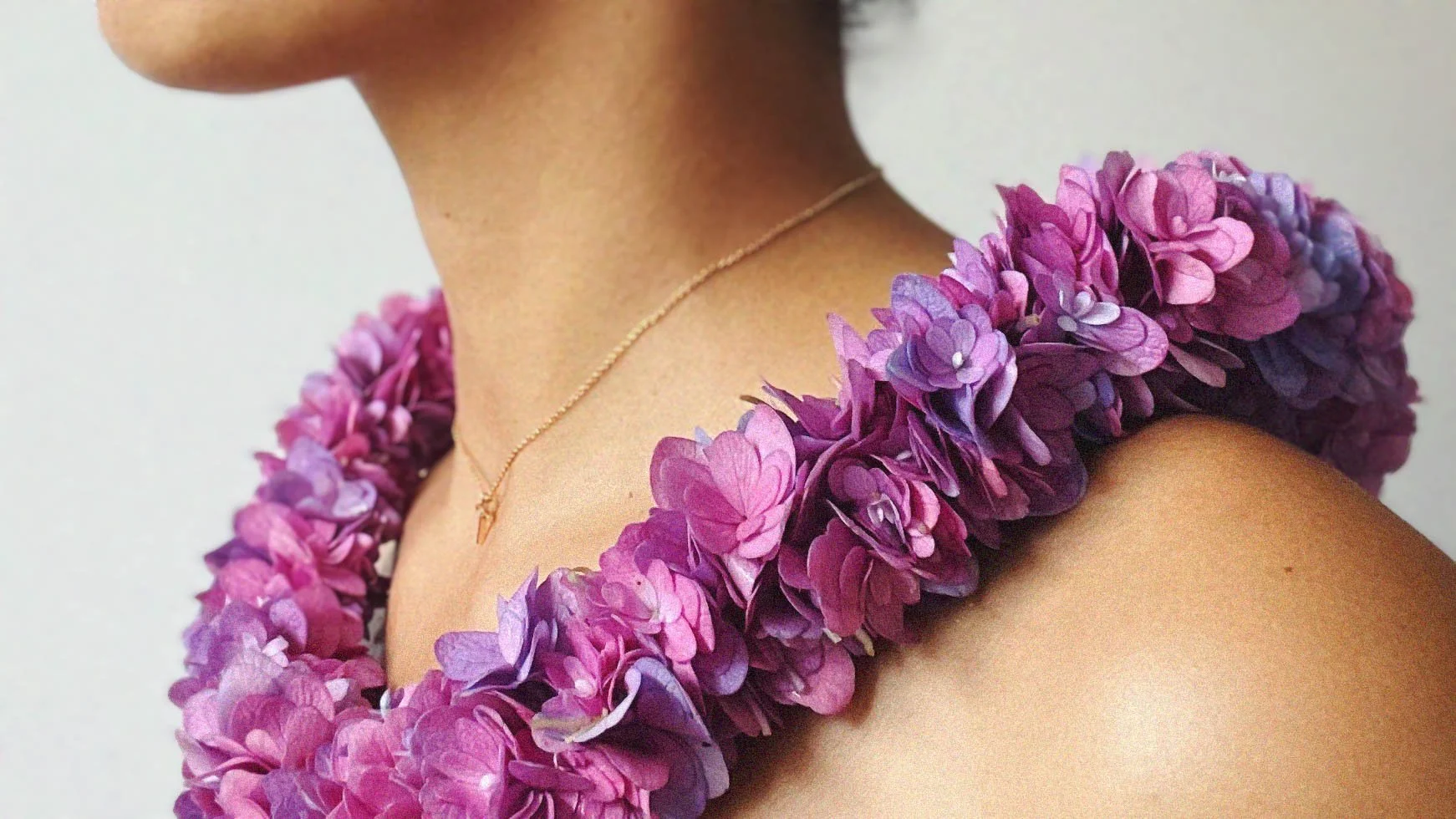
I am a dance practitioner and researcher of Kiribati, Solomon Islands, and Australian descent. My work focuses on remembering, place, and decolonising dance, bringing together te maie ni Kiribati (Kiribati dance) with my broader dance practice. I am part of the research team at AllPlay Dance, a collaboration between Monash and Deakin University, developing inclusive dance programs for children with disability.